Designing Cities Where Neighbors Naturally Meet
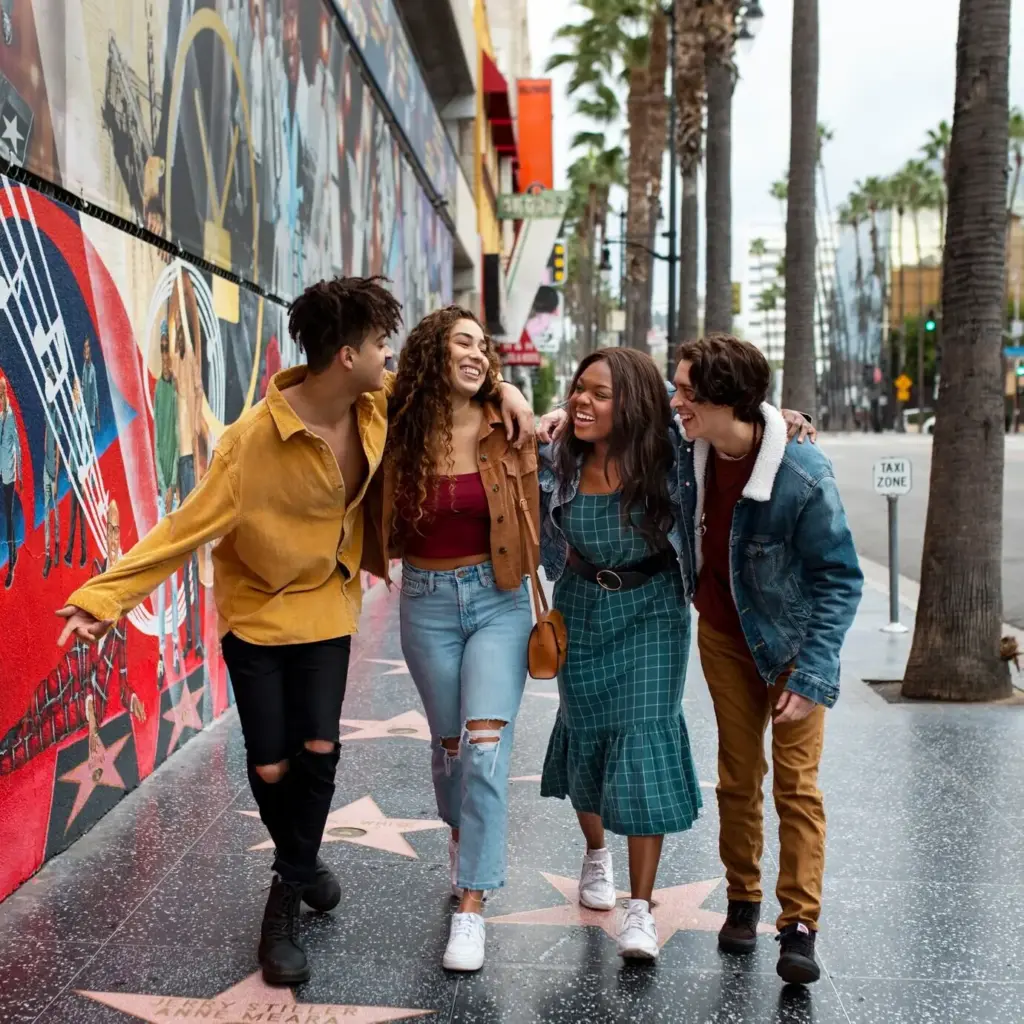
Today we explore urban design that sparks neighborly encounters in shared public spaces, celebrating plazas, sidewalks, courtyards, and parks that gently invite conversation. Through evidence, stories, and practical ideas, discover how modest choices—like seating angles, shade, and playful edges—turn routine trips into warm, spontaneous moments of connection. Share your ideas in the comments and subscribe for field-tested patterns and community case studies.

Human-Scaled Streets That Invite Hello

When curbs feel crossable, facades open with lively edges, and walking speeds slow naturally, strangers recognize faces and neighbors linger. Research by Jan Gehl and William H. Whyte shows small details—visibility, comfortable pauses, and legible boundaries—transform passersby into participants, multiplying everyday chances for friendly greetings.

Edges, Corners, and Comfortable Pauses

People gravitate toward edges, where movement meets rest and conversation feels safe. A slight recess, planter, or stoop creates micro-rooms that encourage brief stops. Corners gently slow traffic, opening windows for eye contact, quick smiles, and the priceless ripple of unexpected, neighborly dialogue throughout the day.

Benches That Face People, Not Traffic

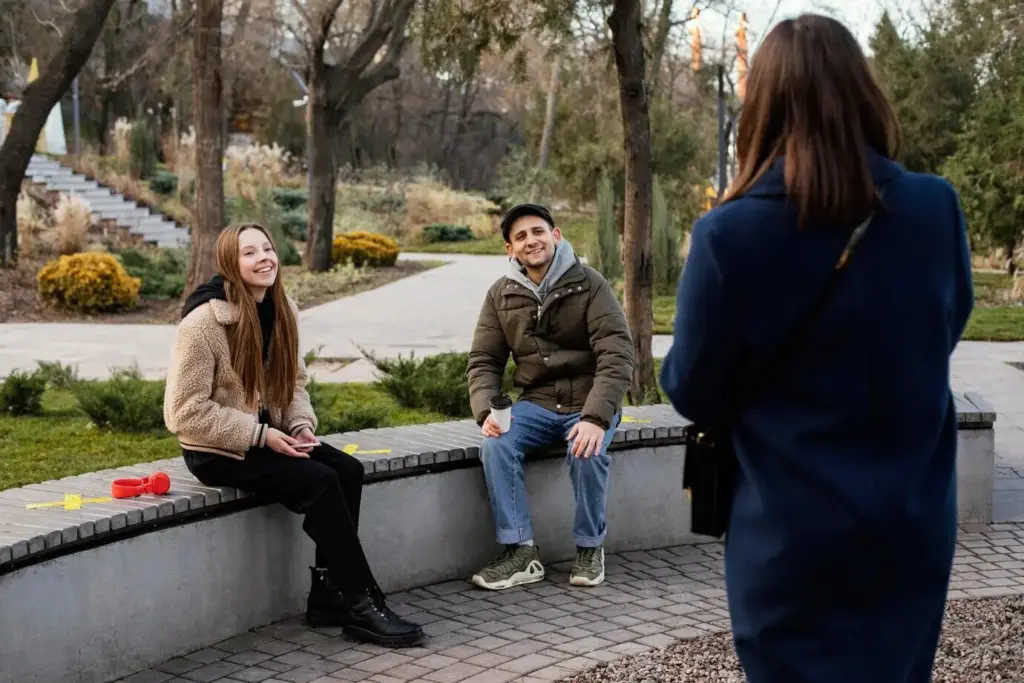
A bench angled toward a path or play area invites glances, nods, and small talk more than a row facing speeding cars. Pairing seating with shade, backrests, and nearby activity creates comfort and shared focus, helping strangers recognize common rhythms and gradually become familiar acquaintances.

Eyes on the Street, Hearts in the Square

Jane Jacobs highlighted how active ground floors and casual observation nurture safety. When homes, shops, and kiosks overlook a plaza, people feel welcome to linger. That perceived care reduces anxiety, lengthens visits, and multiplies gentle encounters, turning ordinary errands into friendly rituals stitched into neighborhood memory.

Playful Public Spaces for All Ages
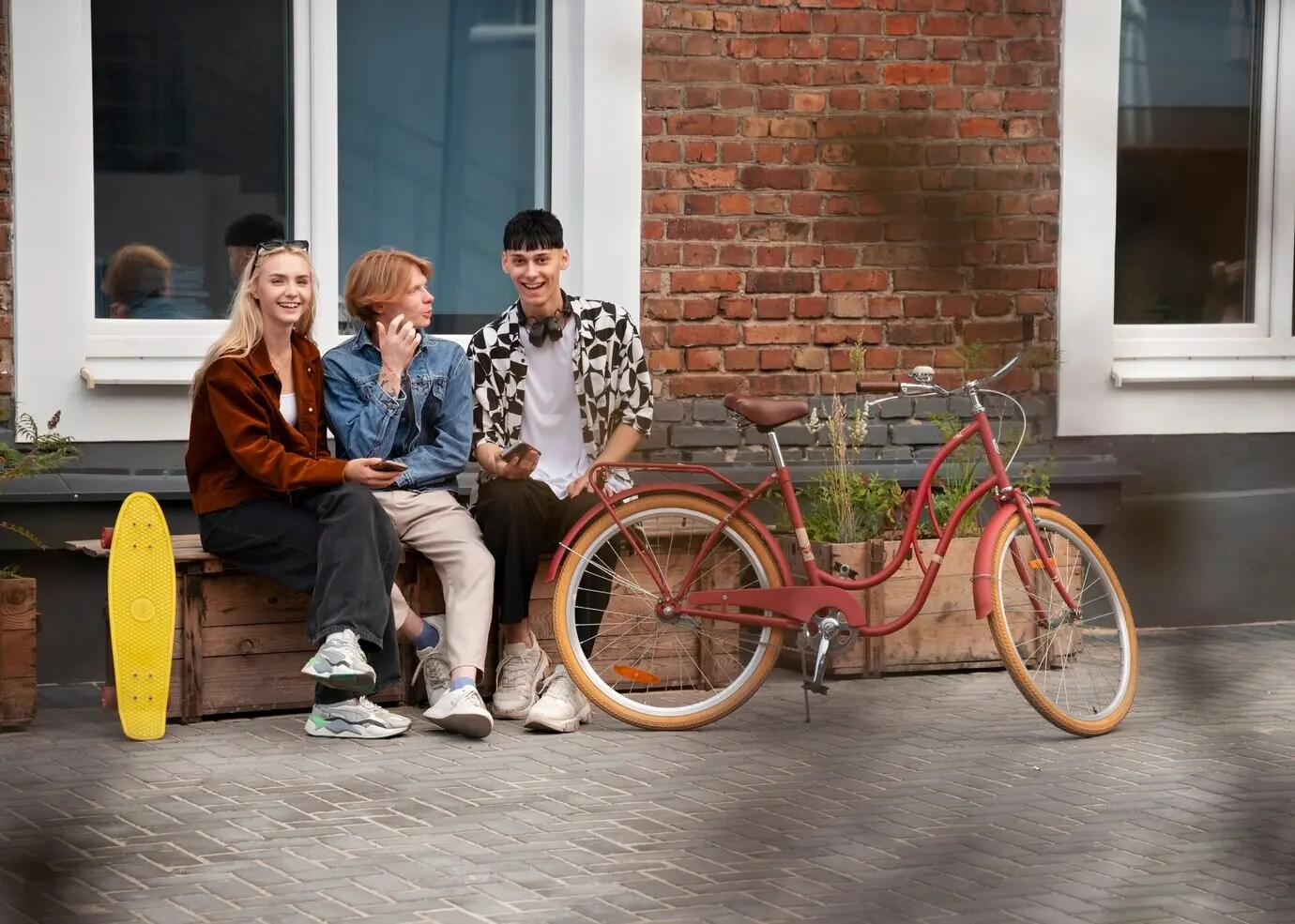
Play loosens social armor. When children explore, caregivers chat; when teens experiment, elders watch proudly. Layering swings, chalk zones, and climbable art beside seating and shade invites intergenerational moments, where laughter bridges differences and neighbors learn names while sharing delightful, low-stakes adventures woven into daily routines.

Paths, Loops, and Gentle Friction

Desire Lines as Design Clues

Worn grass and improvised shortcuts reveal how people actually move. Respecting these traces by formalizing paths, adding lighting, and placing seats along natural decision points rewards intuition. When people feel considered, they linger longer and greet confidently, because the place already acknowledges their choices and everyday wisdom.

The Five-Minute Loop

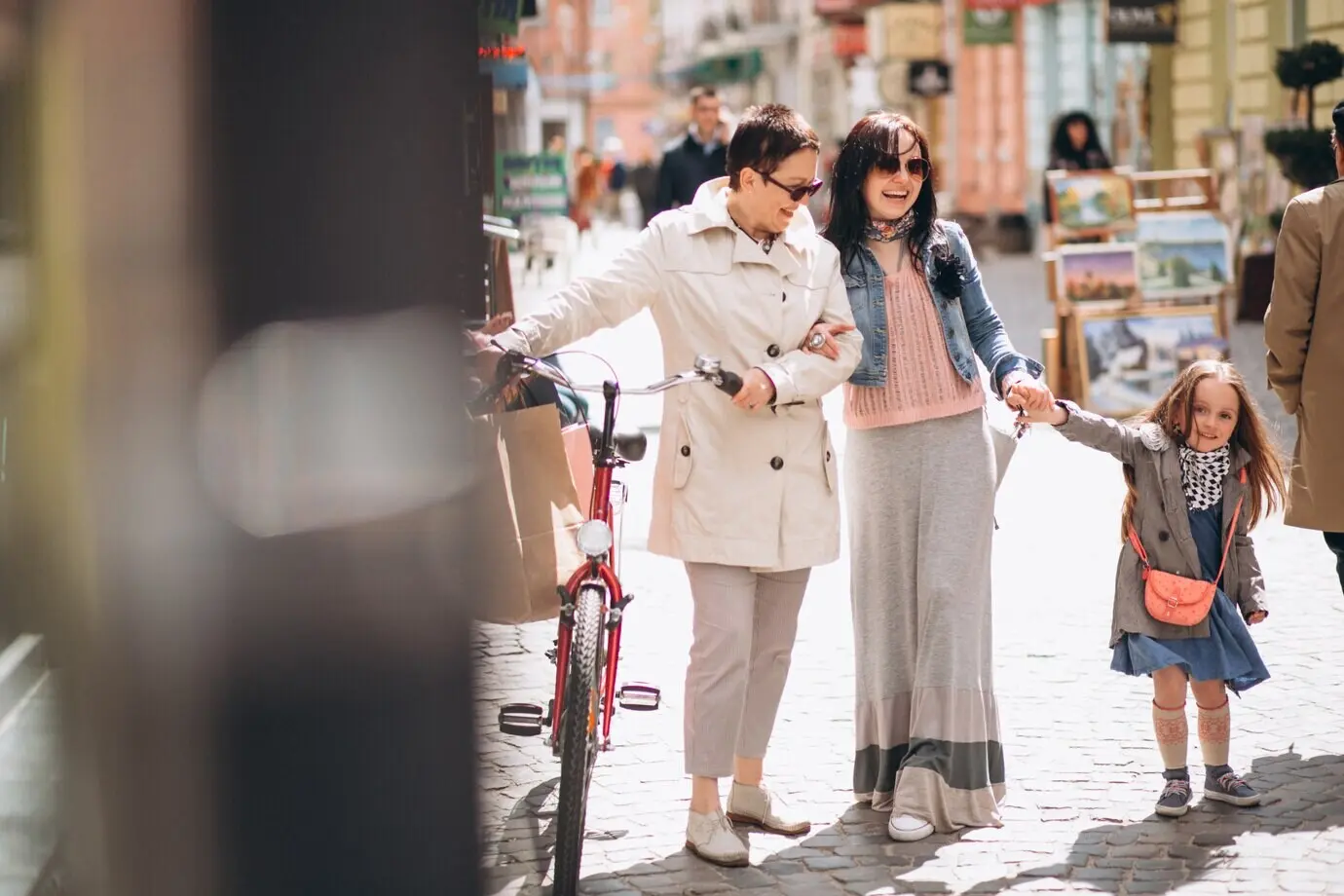
A compact loop connecting a cafe, playground, garden, and transit stop creates recurring overlaps among neighbors. Regular walkers spot familiar strollers and dog owners, increasing nods and waves. The predictability lowers social effort, while varied edges keep curiosity alive, inviting light conversation that grows richer with each lap.

Shared Surfaces that Slow, Not Scare

Textured paving, tight corner radii, and equal priority cues can calm traffic without creating confusion. Clear markings and tactile thresholds show respect for pedestrians and cyclists, while still accommodating vehicles. Slower movement opens social bandwidth, allowing safe glances, greetings, and neighborly help in tricky moments like deliveries or crossings.

Civic Rituals and Everyday Hospitality

Built form sets the stage, but repeated gatherings teach us names. Communal tables, pop-up libraries, plant swaps, and repair cafes invite low-pressure participation. When volunteers and shopkeepers act as gentle hosts, strangers cross invisible lines, discovering shared interests that sustain friendships long after the tents are folded.

Equity, Accessibility, and Belonging

Places feel friendly when everyone can arrive, participate, and afford to stay. Shade, seating, safe crossings, and multilingual signs reduce barriers. Representation in art and programming signals respect. Combining universal design with community stewardship builds trust, ensuring encounters span ages, incomes, abilities, and histories without tokenism or burden.

From Footfall to Friendly Exchanges

Use simple tally sheets or digital counters alongside quick intercept surveys that ask about smiles, nods, and short conversations. Codify these micro-moments without intruding on privacy. Seeing increases in mutual acknowledgment validates investments, while drops highlight design friction, prompting targeted improvements that help relationships flourish naturally over time.

Resident Diaries and Story Mapping

Invite neighbors to log small encounters for two weeks and drop pins on a shared map. Patterns reveal where morning greetings cluster or dusk feels uneasy. Stories contextualize numbers, guiding nuanced design choices—better lighting, friendly signage, or different seating—that translate into more confident, welcoming interactions day after day.
Remomonoruveluke
Privacy Overview

This website uses cookies so that we can provide you with the best user experience possible. Cookie information is stored in your browser and performs functions such as recognising you when you return to our website and helping our team to understand which sections of the website you find most interesting and useful.